

Combining golf and culture in Vietnam can turn a good playing trip into a more memorable journey. A coastal round offers one perspective on the country; an afternoon with a local guide, a craftsperson or a food-loving host adds another. The challenge is leaving enough time to enjoy both.
When exploring golf and sightseeing holidays in Vietnam, compare the rhythm of the itinerary as carefully as the courses. Tee times, transfers and cultural visits should work together without making every day feel scheduled from breakfast until bedtime.
This guide explains how to build that balance, with practical destination pairings and a suggested ten-day route.
1. Decide What Culture Means to You
A successful trip built around golf and culture in Vietnam starts with your interests. Culture might mean architecture and history, regional food, traditional crafts or time observing everyday life. You do not need to fit all of them into one holiday.
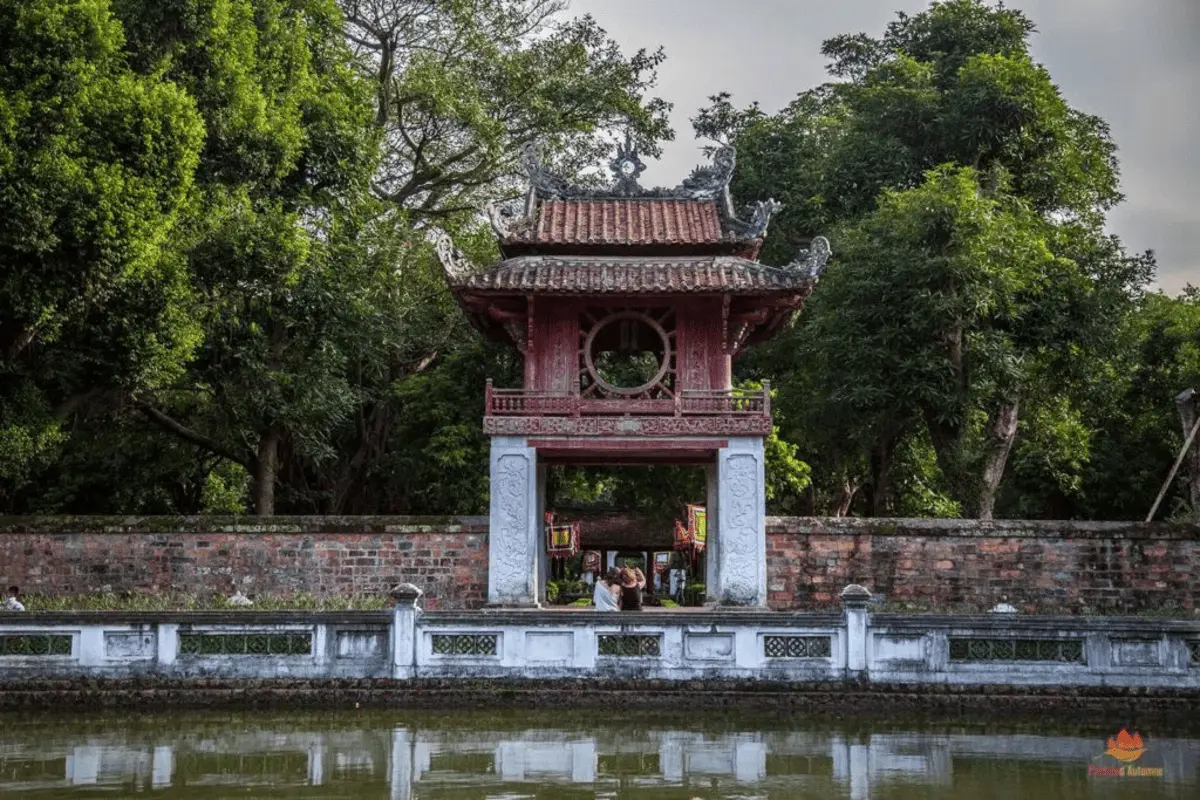
Choose two priorities before discussing the route. Someone interested in Vietnamese learning traditions may enjoy Hanoi’s Temple of Literature. A traveller fascinated by handmade objects might prefer a workshop in Hoi An. Food lovers may value a market visit followed by a carefully explained cooking experience.
Be specific about the level of involvement you want. Watching a demonstration, trying a technique yourself and spending time in conversation are different experiences. If you want a hands-on session, ask how much time is allocated and whether the group size allows individual guidance. That distinction is particularly useful when comparing two otherwise similar proposals.
Ask what you will actually do, who will introduce the experience and how long it takes. “Cultural discovery” on an itinerary can mean anything from a thoughtful guided visit to a brief shopping stop.
2. Pair Courses with Nearby Experiences
The geography of golf and culture in Vietnam matters more than a long list of famous places. Select a base that gives you access to the experiences you want without repeated hotel changes.
Hanoi: Golf, Learning and Everyday City Life
Combine a round near the capital with a separate day exploring Hanoi. The Temple of Literature offers an introduction to the country’s educational heritage, while an Old Quarter walk can focus on trading streets, food and daily routines.
Check the actual location of your chosen course. “Hanoi golf” does not mean every course is close to your city hotel, and a full heritage programme immediately after a distant round may be unrealistic.
Da Nang and Hoi An: Coastal Golf and Living Crafts
Hoiana Shores is an 18-hole coastal links course designed by Robert Trent Jones Jr. Ba Na Hills, designed by Luke Donald, offers a different foothill setting. Course selection can therefore introduce variety without adding another region.
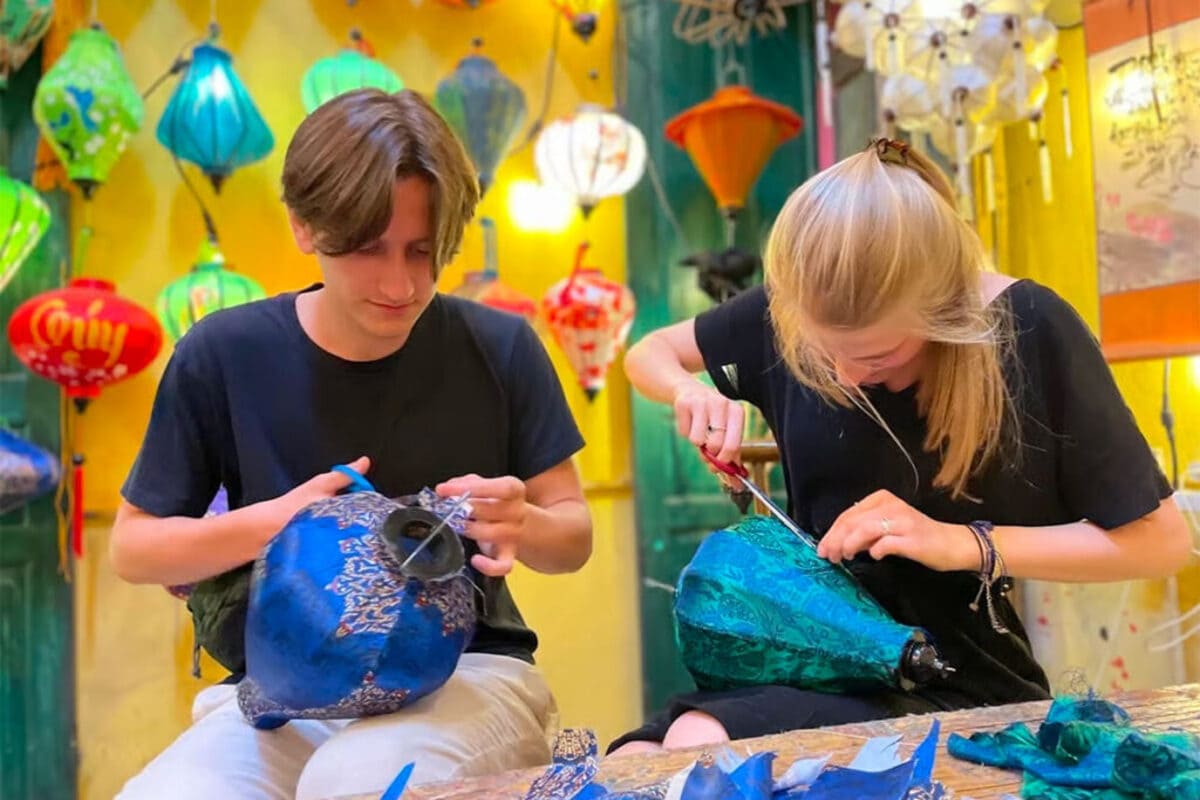
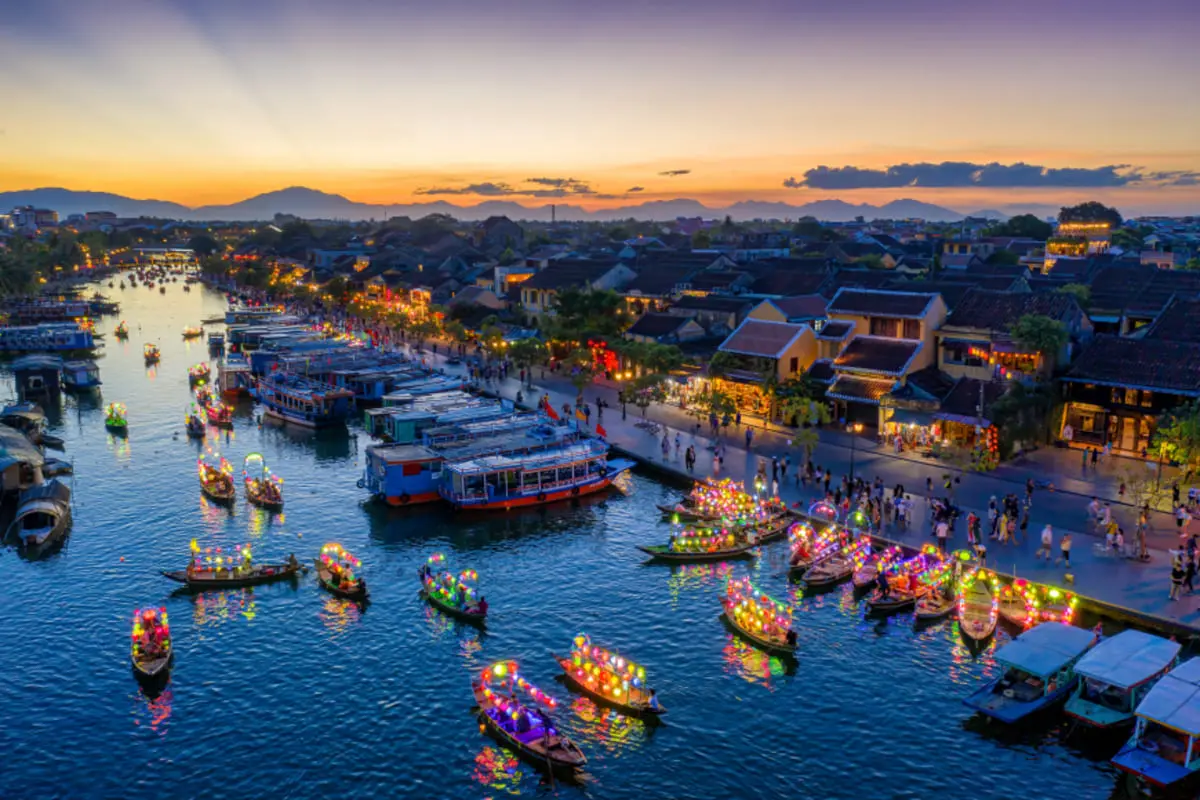
For culture, Hoi An offers historic streets and opportunities to explore local crafts. Vietnam Tourism highlights activities including pottery and lantern making. Confirm whether your visit includes a demonstration, a hands-on session or simply time browsing a shop.
These pairings make golf and culture in Vietnam easier to combine, but the hotel address and transfer route still determine how relaxed each day feels.
3. Protect the Time Between Activities
Planning golf and culture in Vietnam means accounting for the whole outing, not just the tee time. Transfers, check-in, warm-up, play and a shower all affect when you are ready for the next experience.
After golf, choose something flexible: a gentle neighbourhood walk or dinner at your own pace. Save a substantial museum visit, a workshop with a fixed start or a longer excursion for a non-golf day.
- On playing days: keep one flexible cultural or food experience as an option.
- On discovery days: choose one main theme and allow time for questions and breaks.
- On travel days: leave space for airport procedures, baggage and settling into your next hotel.
The best balance of golf and culture in Vietnam also includes unstructured time. A slow coffee or an unexpected conversation can be more rewarding than another scheduled stop.
4. Choose Fewer Experiences with More Depth
Depth makes golf and culture in Vietnam feel connected rather than like two separate checklists. Ask your guide to explain what a place reveals about the people who use it, not simply when it was built.
At a workshop, learn about materials, techniques and the maker’s role in the community. Ask whether translation is included and whether any purchase is expected. A genuine learning experience should be worthwhile even if you leave without buying a souvenir.
For food activities, share dietary requirements in advance and clarify how much walking, preparation and tasting is involved. A private experience may offer flexibility, but it still needs a realistic description and confirmed arrangements.
5. A Ten-Day Route with Three Rounds
This example combines golf and culture in Vietnam across Hanoi and the central coast. It is a suggested structure, not a confirmed package; courses, guides and flights must be checked for your dates.
| Day | Suggested programme | Planning priority |
|---|---|---|
| 1 | Arrive in Hanoi and settle in. | Recover before your first round. |
| 2 | Play near Hanoi; keep the evening flexible. | Allow for the full course transfer. |
| 3 | Visit the Temple of Literature and explore the Old Quarter. | Focus on heritage and local food. |
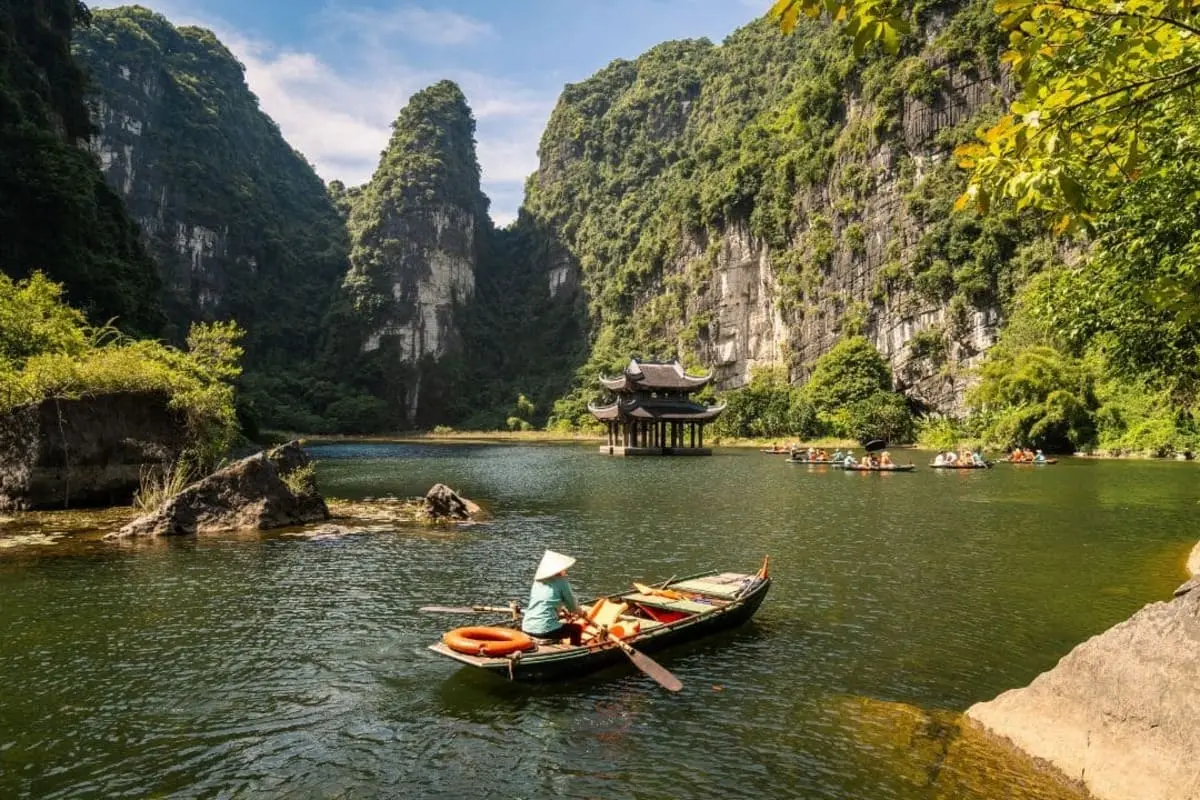
| 4 | Take a full-day Ninh Binh excursion, with a Trang An boat experience if suitable. | Avoid adding golf to a substantial outing. |
| 5 | Fly to Da Nang and transfer to your chosen hotel. | Keep arrival plans light. |
| 6 | Play a coastal course such as Hoiana Shores. | Leave room for rest afterwards. |
| 7 | Explore Hoi An and join a craft or culinary experience. | Give cultural discovery a full day. |
| 8 | Play a contrasting course such as Ba Na Hills. | Choose the course for your playing preferences. |
| 9 | Enjoy a slow resort day or a short optional outing. | Keep some of the holiday unstructured. |
| 10 | Depart via Da Nang. | Allow time for packing and golf luggage. |
For a shorter holiday, choose one region and fewer rounds. For a longer stay, add nights where your interests justify them rather than introducing another hotel simply to cover more ground.
6. Budget for Guides and Transfers, Not Just Golf
When comparing golf and culture in Vietnam, request a quotation that identifies both parts of the journey. Golf fees and hotel nights alone do not describe the complete experience.
Check caddie and buggy arrangements, rental clubs and gratuities alongside guide services, entry tickets, workshops and meals. Confirm whether cultural activities are private, shared or subject to a minimum group size.
Ask how airport transfers, course transfers and sightseeing vehicles are arranged. A car reserved for golf may not be available for another outing at the same time. Check luggage capacity for both suitcases and golf bags, especially when travelling between regions.
A useful proposal for golf and culture in Vietnam should also identify the person coordinating each day. Ask who can adjust a transfer if a round runs late, and how changes affect a separately booked guide or workshop. Agree an alternative in advance where a specialist experience is central to your trip.
7. Match the Season and Respect Local Settings
The right dates for golf and culture in Vietnam depend on the regions you combine. Hanoi and Hoi An do not share identical weather patterns. Vietnam Tourism’s regional climate guide is a useful starting point, followed by a local forecast closer to departure.
Keep alternatives for outdoor activities and ask about course maintenance and weather policies. A rainy afternoon may suit an indoor visit, but workshops and museums still have opening hours and booking requirements.
At temples and heritage sites, follow posted dress and photography guidance. Ask before photographing people or workspaces, and allow your host to set the pace of an encounter. Cultural experiences are more rewarding when curiosity comes with consideration.
Frequently Asked Questions
How long should I allow for golf and culture in Vietnam?
Seven to ten days can be a useful starting point for one or two bases with several rounds and full sightseeing days. The ten-day example above includes a domestic flight. Shorter trips usually benefit from staying within one region.
Can non-golfers enjoy the same trip?
Yes. A trip combining golf and culture in Vietnam can include independent activities during rounds and shared experiences afterwards. Confirm separate transport and guiding where needed rather than assuming a companion’s programme is included.
Should I book tee times or cultural visits first?
Coordinate the important bookings together. A preferred course, flight or specialist host may have limited availability. Ask your organiser which arrangements are confirmed and which remain requests before paying non-refundable deposits.
Build a Journey Around Your Interests
The most rewarding itinerary for golf and culture in Vietnam gives both elements enough time. Share your preferred number of rounds, cultural interests, comfort expectations and travel pace with your designer. Explore our Vietnam luxury tours for ideas that can shape the wider journey.
0 Comment