
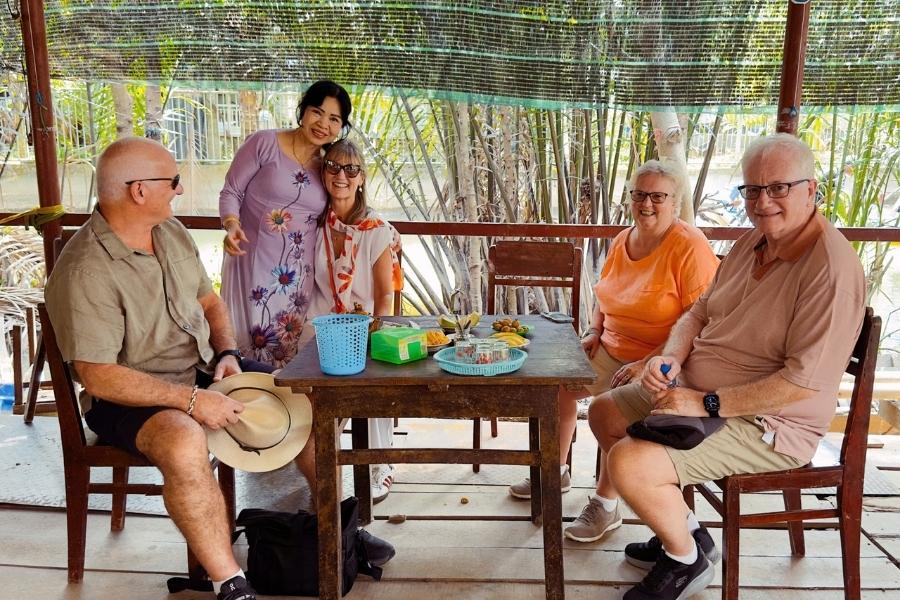
Hospitality in Vietnam and Japan reflects two distinctive approaches to making guests feel welcome. Vietnamese hospitality emphasizes warmth, personal relationships, and generous sharing, while Japanese hospitality, often expressed through Omotenashi, focuses on anticipation, attentiveness, and thoughtful service. Understanding these cultural differences helps travelers appreciate everyday interactions and discover more meaningful luxury experiences in both countries.
What Does Hospitality Mean in Vietnamese and Japanese Culture?
Hospitality extends beyond professional service in both Vietnam and Japan. It is deeply connected to social values, family traditions, and the way communities establish relationships with visitors. Although both cultures place importance on respect and consideration, their approaches to welcoming guests have developed distinctive characteristics.
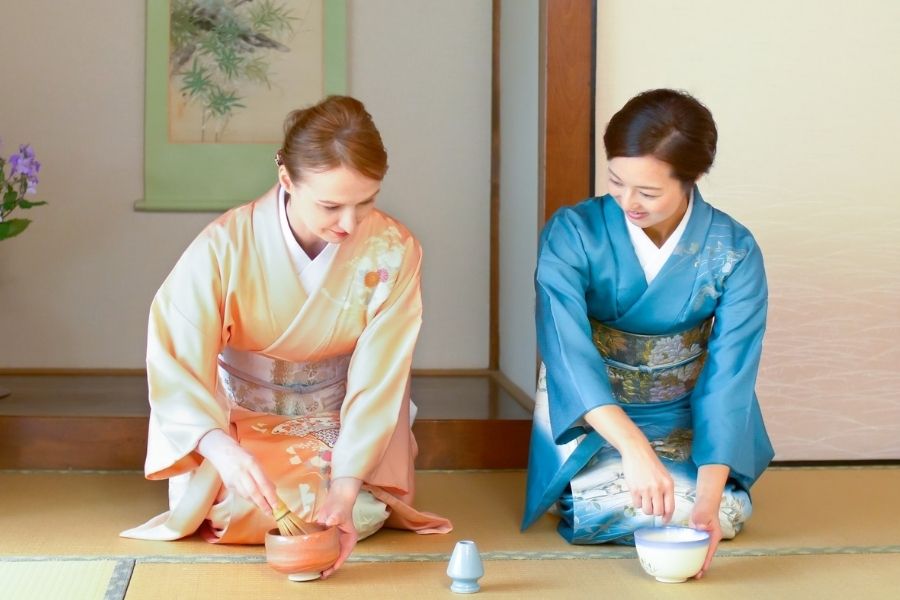
In Vietnam, hospitality frequently takes the form of personal attention, spontaneous generosity, and a willingness to share food or conversation. In Japan, welcoming a guest often involves careful preparation, subtle gestures, and an emphasis on creating a comfortable environment without unnecessary interruption.
These differences become particularly interesting when exploring both countries through personalized travel experiences. Visitors interested in discovering Japanese cultural traditions during a cruise journey can explore private excursions through https://www.japanshoreexcursions.com/, where guided visits can provide opportunities to understand local customs beyond major sightseeing attractions.
Vietnamese Hospitality: Warmth, Generosity, and Human Connection
Vietnamese hospitality is closely associated with the importance of family and community relationships. Visitors often encounter a welcoming atmosphere where conversation, shared meals, and personal attention play central roles. These interactions can make travel feel less formal and more connected to everyday life.
The Cultural Meaning of Welcoming Guests
In many Vietnamese households, offering refreshments is a familiar way to welcome visitors. A cup of tea, seasonal fruit, or a shared meal can communicate respect without requiring elaborate arrangements. Such gestures reflect the social importance of making guests feel comfortable and included.
Food as an Expression of Hospitality
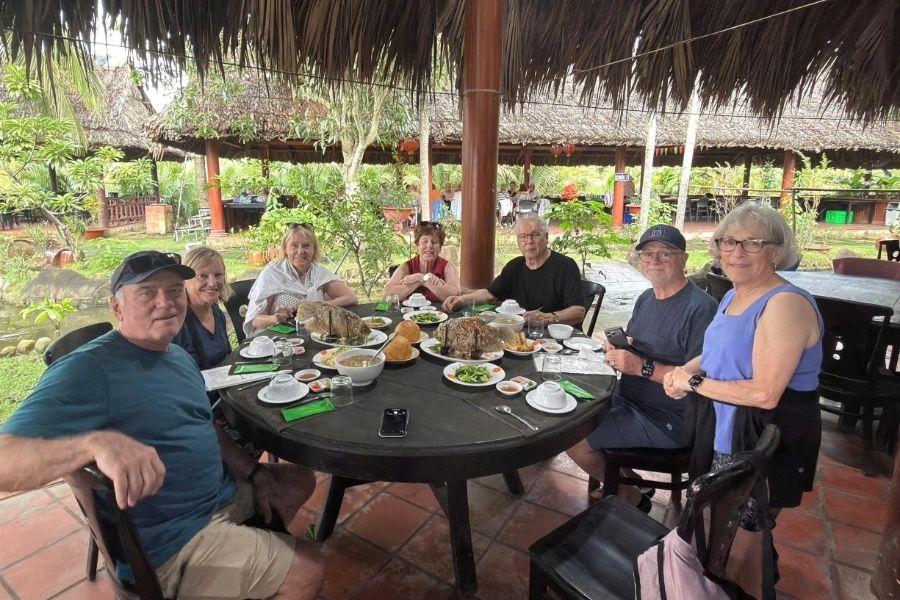
Food plays an important role in Vietnamese social interactions. Family-style meals encourage people to share dishes, exchange conversation, and participate in a collective dining experience. Hosts may offer additional servings as a gesture of care, particularly when welcoming relatives or invited guests. Travelers can observe these traditions through carefully organized home-hosted meals or small culinary experiences.
Hospitality in Vietnam’s Luxury Travel Industry
Vietnam’s luxury hospitality sector frequently combines contemporary comfort with regional cultural influences. Boutique hotels may incorporate traditional architectural details, while premium resorts can offer locally inspired dining, wellness treatments, and personalized excursions. The strongest experiences use these elements to connect visitors with the destination rather than simply decorate a luxury setting.
A private heritage tour in Hoi An provides a useful example. A knowledgeable local guide can explain the town’s trading history, introduce traditional craftsmanship, and adapt the visit to the traveler’s interests. The value lies not only in exclusive access or convenience but also in the quality of the cultural interpretation.
Japanese Hospitality: Understanding the Philosophy of Omotenashi
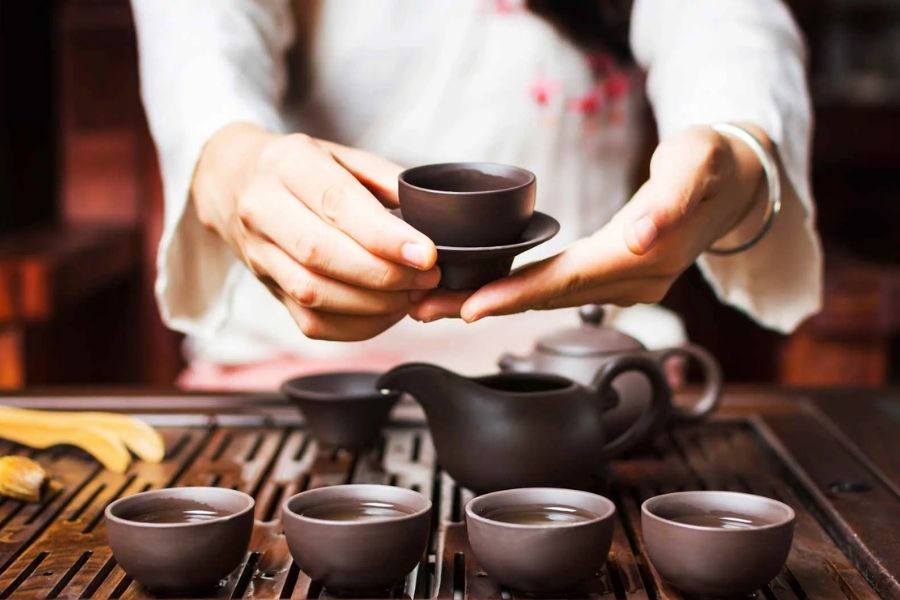
Japanese hospitality is often described through the concept of Omotenashi, a philosophy associated with wholehearted consideration for guests. Rather than relying on conspicuous displays of attention, this approach emphasizes preparation, awareness, and service that responds naturally to individual needs. It is visible in many traditional settings, although service styles differ across establishments.
Understanding What Is Omotenashi
Omotenashi is commonly understood as a sincere approach to hospitality that places importance on the guest’s comfort and experience. It involves considering practical needs before they become problems and maintaining a welcoming atmosphere throughout an interaction. The concept is frequently associated with Japanese tea culture and traditional hospitality practices.
The Importance of Respect and Attention to Detail
Respect is an important element of Japanese social etiquette. Polite language, appropriate greetings, and sensitivity to shared spaces help maintain harmonious interactions. Visitors may notice these principles in restaurants, accommodations, transportation services, and cultural attractions.
Attention to detail is particularly apparent in traditional dining experiences. The arrangement of dishes, selection of seasonal ingredients, and timing of each course may contribute to the overall presentation. These practices reflect culinary traditions as well as the establishment’s approach to hospitality.
Experiencing Omotenashi Through Luxury Travel
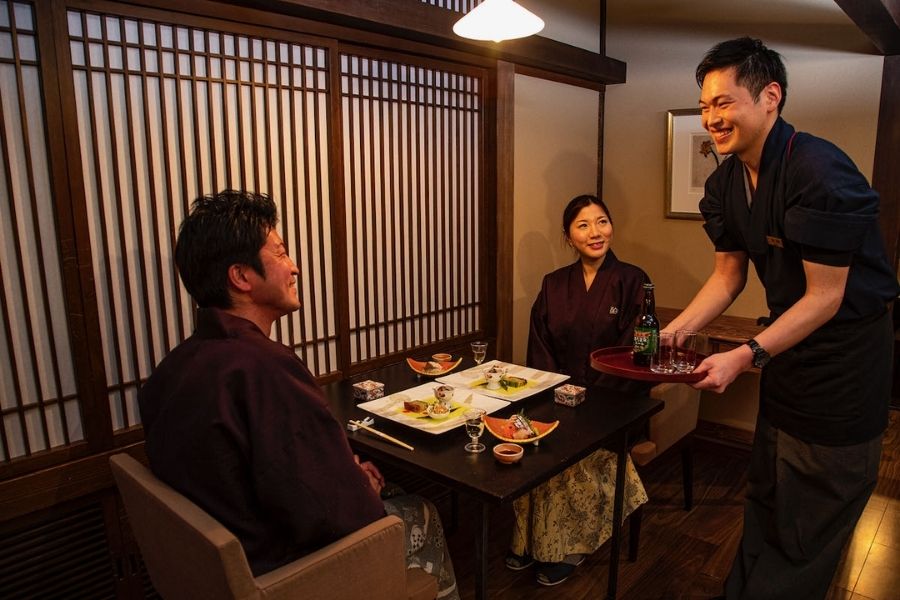
Traditional ryokan accommodations offer an opportunity to appreciate Japanese hospitality in a distinctive setting. Guests may experience tatami rooms, seasonal meals, and carefully maintained bathing facilities. Some properties also provide private baths or personalized dining arrangements, although availability depends on the accommodation.
Key Differences Between Vietnamese and Japanese Hospitality
Although both countries value guest satisfaction, their hospitality traditions differ in communication styles, social expectations, and service delivery. Recognizing these differences can prevent misunderstandings and help visitors respond appropriately to unfamiliar customs.
| Cultural aspect | Vietnamese hospitality | Japanese hospitality |
| Core emphasis | Personal warmth and social connection | Thoughtful preparation and attentiveness |
| Communication | Often conversational and relationship-oriented | Often polite, measured, and context-sensitive |
| Dining traditions | Shared dishes and communal meals | Carefully presented meals and established etiquette |
| Guest interactions | Friendly conversation and spontaneous gestures | Consideration for comfort and personal space |
| Luxury experiences | Personalized cultural encounters and local connections | Refined service, precision, and traditional rituals |
How Travelers Can Experience Authentic Hospitality in Both Countries
Rather than concentrating exclusively on prestigious hotels or famous attractions, travelers can select experiences that encourage respectful interaction with local communities. The following approaches provide practical starting points.
- Choose Experiences That Encourage Cultural Exchange: Travelers should favor experiences that clearly explain their cultural context and respect the time and expertise of local hosts.
- Learn Basic Local Etiquette: Simple cultural awareness can make interactions more comfortable for everyone involved.
- Balance Luxury Comfort With Local Experiences: We can combine comfortable accommodations and private transportation with meaningful encounters outside conventional tourist environments. The key is choosing experiences for their substance rather than their exclusivity alone.
Common Mistakes When Interpreting Asian Hospitality
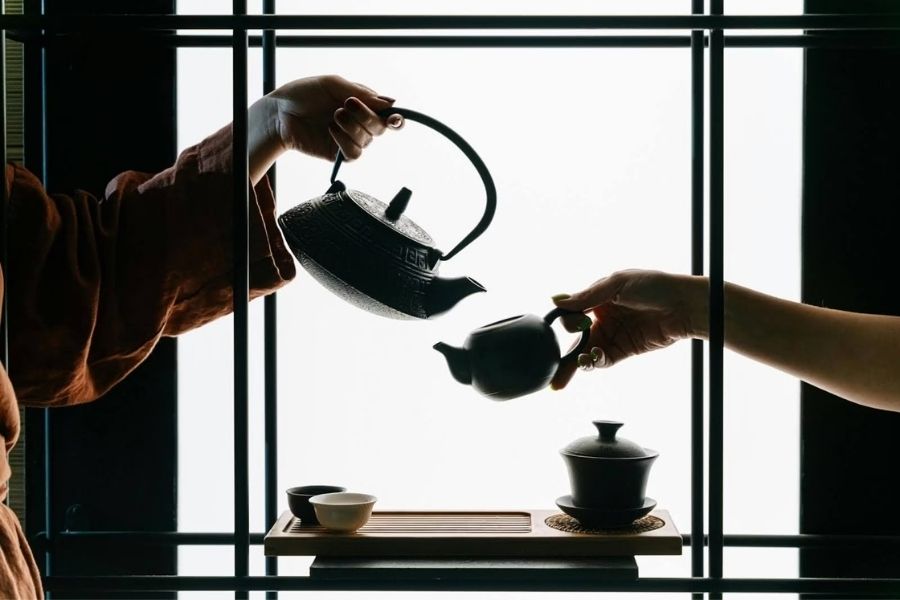
Cultural differences can sometimes lead visitors to misinterpret gestures or develop unrealistic expectations. Understanding a few common mistakes makes travel more rewarding and encourages respectful interactions.
- Assuming all hospitality follows the same rules: Customs differ between countries, regions, establishments, and individuals.
- Confusing friendliness with unlimited personal availability: Warm interactions do not remove the importance of privacy and boundaries.
- Expecting every Japanese service experience to be flawless: Omotenashi is a cultural ideal, not a guarantee that mistakes never occur.
- Treating cultural activities as performances: Traditional practices often carry personal or community significance beyond their appeal to visitors.
- Overlooking practical communication: Confirming dietary needs, accessibility requirements, and service expectations remains essential in both destinations.
Vietnam & Japan – Two Cultures, One Shared Spirit of Hospitality
The art of hospitality in Vietnam and Japan reveals how cultural values shape the way people welcome and care for visitors. Vietnam’s generosity and relationship-centered traditions create opportunities for personal connection, while Japan’s Omotenashi philosophy highlights the importance of thoughtful preparation and refined attention.
Experiencing both countries provides a broader understanding of Asian hospitality without reducing either culture to a single characteristic. Travelers who remain observant, respectful, and open to unfamiliar customs can discover meaningful moments in both formal luxury settings and ordinary daily interactions.
0 Comment