
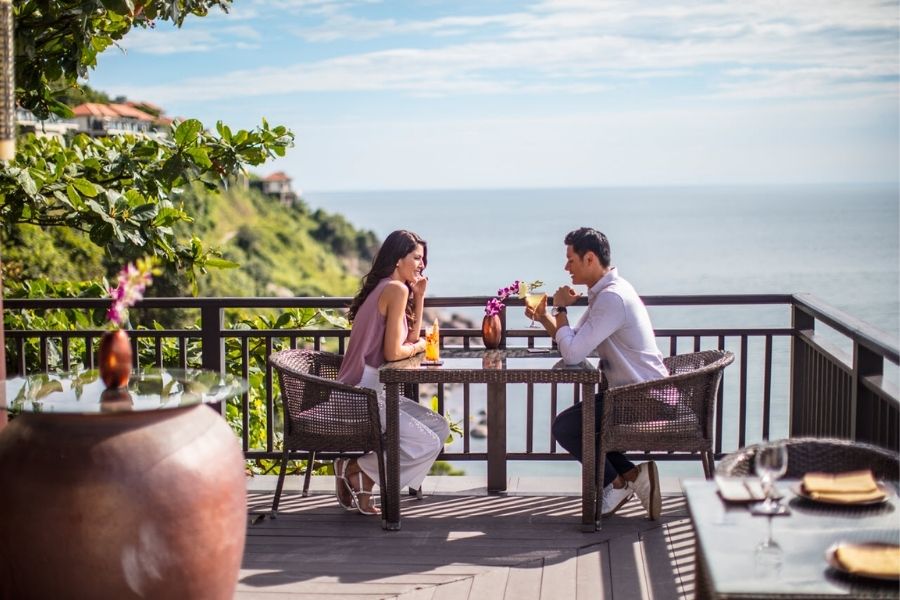
Vietnam and Japan make an exceptional luxury travel combination for travelers seeking cultural depth, refined hospitality, and contrasting landscapes. Vietnam offers intimate heritage experiences, tropical scenery, and distinctive boutique retreats, while Japan brings meticulous service, centuries-old traditions, and sophisticated urban life. A well-planned 14 to 18 days journey allows visitors to appreciate both countries without sacrificing comfort or personal discovery.
Why Vietnam and Japan Are Perfect for a Luxury Asia Journey
Luxury travel in Asia is no longer defined solely by five-star hotels and exclusive transportation. Increasingly, discerning travelers value meaningful cultural encounters, thoughtful itineraries, and the freedom to explore destinations at their own pace. Vietnam and Japan complement each other particularly well because they offer different interpretations of hospitality, heritage, and modern luxury.
Vietnam’s appeal lies in its remarkable diversity, from the historic streets of Hanoi to the limestone landscapes of Ha Long Bay and the peaceful countryside surrounding Hoi An. Japan offers a different rhythm, where Kyoto’s traditional architecture, Tokyo’s contemporary culture, and carefully maintained gardens create a sense of precision and refinement.
Travelers exploring Japan through a cruise itinerary can also consider private port experiences arranged through https://www.japanshoreexcursions.com/. Such excursions can help visitors make better use of limited time ashore, particularly when cultural sites are located beyond the immediate port area. Combining these experiences with a longer Vietnam itinerary creates a journey that balances structured sightseeing with opportunities for relaxation.
What Makes Luxury Travel in Vietnam Different?
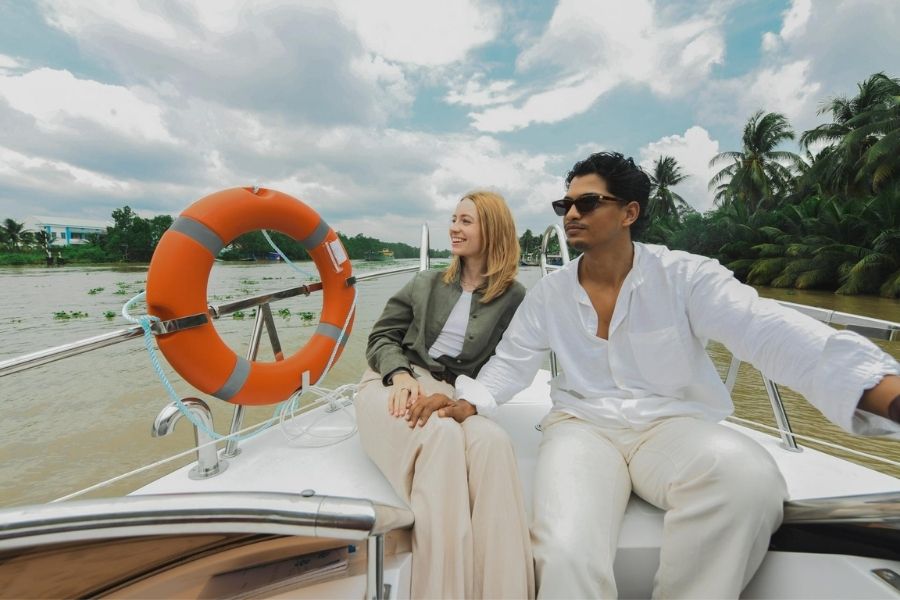
Vietnam delivers a style of luxury that often feels personal, atmospheric, and closely connected to local communities. Rather than relying exclusively on internationally recognized hotel brands, travelers can discover elegant boutique properties, restored heritage buildings, and secluded resorts that reflect regional architecture. The country’s varied geography also makes it possible to combine several distinct experiences within one trip.
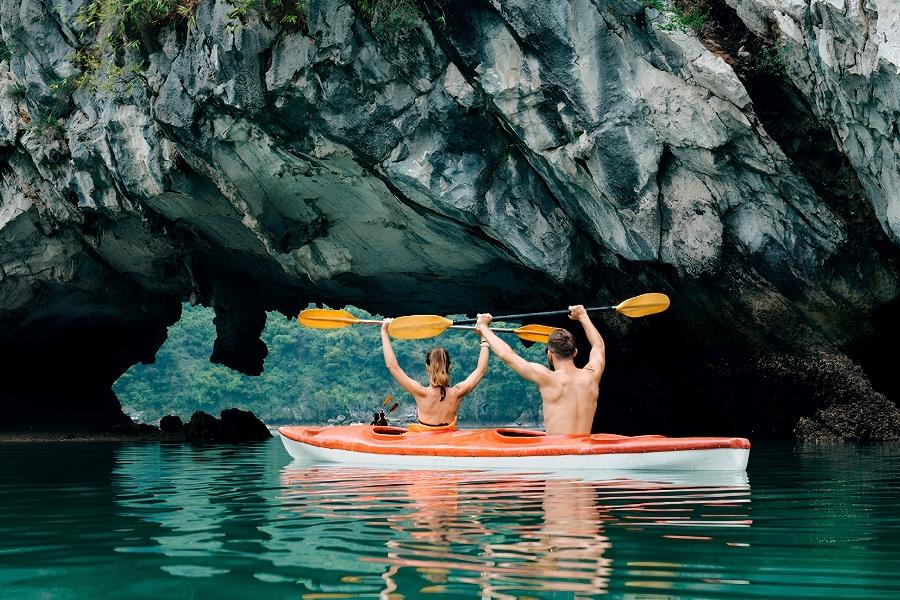
Vietnam’s natural landscapes provide opportunities to slow down between cultural excursions. An overnight cruise in Ha Long Bay or Lan Ha Bay can offer a more immersive experience than a brief day trip, although vessel quality and route selection deserve careful consideration. Smaller ships may provide a quieter atmosphere, but their itineraries and onboard facilities vary.
Along the central coast, luxury resorts near Da Nang and Ninh Van Bay offer beach access, wellness programs, and private dining experiences. These properties work particularly well toward the end of a Vietnam itinerary. A few restful days can make the transition to Japan’s more active sightseeing schedule considerably more comfortable.
Discovering Japan Through Refined Cultural Experiences
Japan’s luxury travel experience is distinguished by attention to detail and an emphasis on thoughtful service. Many of the country’s most memorable experiences are rooted in established customs. Understanding these traditions can make a visit more rewarding than simply moving between famous attractions.
Tokyo: Contemporary Luxury and Hidden Traditions
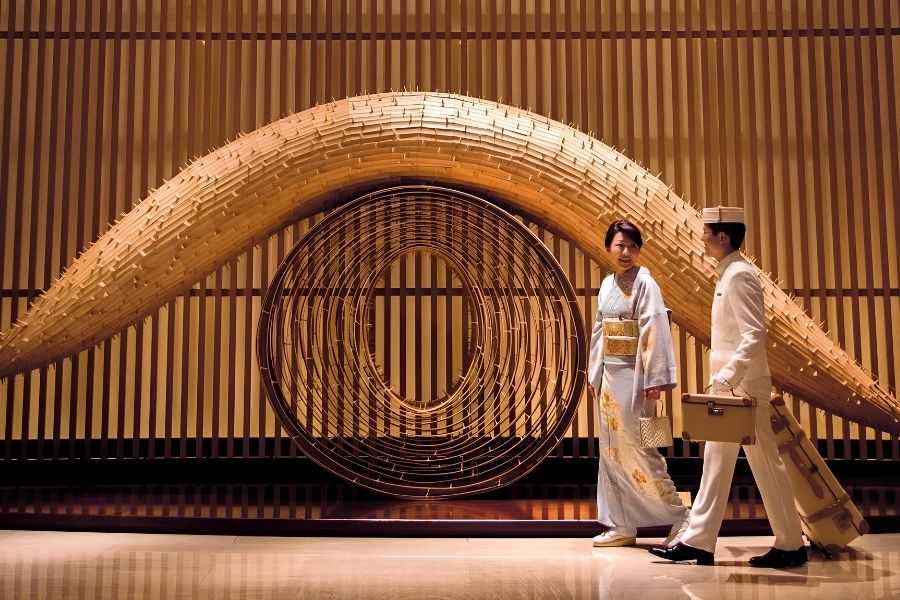
Tokyo combines modern architecture, sophisticated dining, and traditional neighborhoods within an extensive metropolitan landscape. Visitors can explore contemporary art galleries, browse carefully curated boutiques, or enjoy a private introduction to Japanese food culture. A knowledgeable guide is particularly useful when navigating districts with very different identities.
Kyoto: Heritage, Hospitality, and Timeless Elegance
Kyoto offers an especially compelling contrast to Vietnam’s historic cities. Its temples, landscaped gardens, traditional neighborhoods, and seasonal scenery reward visitors who approach sightseeing selectively. Rather than attempting to visit every major attraction, travelers benefit from focusing on a few locations and exploring them in greater depth.
How to Combine Vietnam and Japan in One Luxury Itinerary
A successful multi-country journey depends on sensible pacing and efficient travel connections. Although Vietnam and Japan are linked by international flights, transfers, airport procedures, and changes in climate can affect the overall experience. Planning around a limited number of bases is usually more enjoyable than changing hotels every night.
For first-time visitors, a 16-day itinerary provides a practical starting framework. The following schedule balances major cultural destinations with scenic experiences and time for independent exploration.
| Duration | Destination | Recommended luxury experience |
| Days 1 – 3 | Hanoi, Vietnam | Private heritage tour and curated culinary experiences |
| Days 4 – 5 | Ha Long Bay or Lan Ha Bay | Premium overnight cruise |
| Days 6 – 8 | Hoi An, Vietnam | Boutique resort, countryside visits, and relaxation |
| Days 9 – 11 | Tokyo, Japan | Private city exploration and fine dining |
| Days 12 – 15 | Kyoto, Japan | Cultural tours, gardens, and traditional ryokan stay |
| Day 16 | Departure | Private transfer and international departure |
Best Time to Visit Vietnam and Japan Together
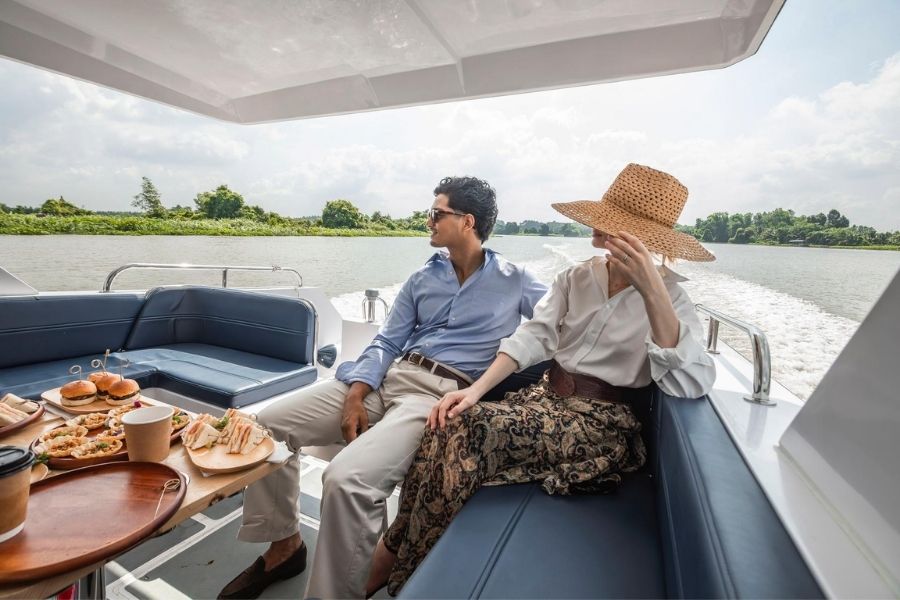
Vietnam’s climate differs significantly between its northern, central, and southern regions, while Japan experiences pronounced seasonal changes. Consequently, there is no single month that guarantees ideal conditions everywhere.
March to April is an attractive period for travelers interested in spring scenery and generally comfortable sightseeing temperatures. Japan’s cherry blossom season can be a highlight, although bloom dates vary by location and year. Central Vietnam may also be appealing during this period, but northern Vietnam can experience mist or light rain.
October to November offers another appealing window, particularly for autumn foliage in parts of Japan and cooler conditions in northern Vietnam. However, central Vietnam can experience heavy rainfall and flooding during autumn. Travelers should assess each region individually rather than assuming that favorable weather in one destination extends to the entire itinerary.
How Much Does a Vietnam and Japan Luxury Trip Cost?
The cost of combining Vietnam and Japan depends on accommodation standards, travel dates, private guiding, and the number of internal transfers. For preliminary planning, travelers can use the following broad estimates. These are illustrative budgets in US dollars per person, assuming two people sharing accommodation, and are not verified supplier quotations.
| Expense category | Vietnam (per day) | Japan (per day) |
| Luxury accommodation | $150 – 350 | $250 – 550 |
| Private guiding and transport | $100 – 250 | $200 – 450 |
| Dining and experiences | $80 – 180 | $120 – 300 |
Please note that:
- International flights, some premium activities, and major intercity transfers are excluded from these estimates.
- Seasonal pricing, room categories, and exchange rates can substantially change the final amount.
Expert Planning Tips for a Seamless Two-Country Experience
Thoughtful preparation is especially important when a journey includes different transport systems, languages, and accommodation styles. Several practical considerations can make a noticeable difference.
- Limit hotel changes: Staying at least two or three nights in major destinations reduces packing and transfer fatigue.
- Prioritize private guides selectively: Cultural districts and complex sightseeing routes often benefit most from expert interpretation.
- Check entry requirements: Visa eligibility and passport requirements depend on nationality and should be confirmed through official government sources.
- Plan luggage logistics: Japan’s rail network is efficient, but large baggage may require advance arrangements on certain services.
- Protect downtime: Avoid filling every afternoon with scheduled activities, especially after international flights.
- Verify inclusions: Confirm whether private transfers, entrance fees, meals, and guide services are covered by quoted prices.
In general, Vietnam contributes warmth, diverse landscapes, and opportunities for immersive local encounters, while Japan provides refined traditions, exceptional urban experiences, and highly organized infrastructure. Together, they create a journey with a satisfying variety of environments and travel styles.
0 Comment