

Cruise passengers often face the same question before arriving in Vietnam: book a shore excursion in advance or decide after stepping off the ship? There is no single answer for every port, but in Vietnam the distances between cruise terminals and major attractions mean that advance planning can make a noticeable difference. Operators such as Shore Excursions Asia build private port days around ship schedules, local driving conditions and the amount of time passengers actually have ashore.
The decision is less about whether independent travel is possible and more about how much uncertainty you are comfortable managing during a fixed port window. Some calls are easy to keep flexible. Others reward having the vehicle, guide and route confirmed before arrival.
The Short Answer
For ports with long transfers or several competing sightseeing choices, pre-booking is usually the more comfortable option. Phu My, Chan May and current Cam Ranh calls are good examples. For a straightforward day close to the port, travelers may have more room to decide later, although popular guides and vehicles can still sell out on busy cruise dates.
What Pre-Booking Actually Solves
A Vehicle Is Ready for the Correct Port
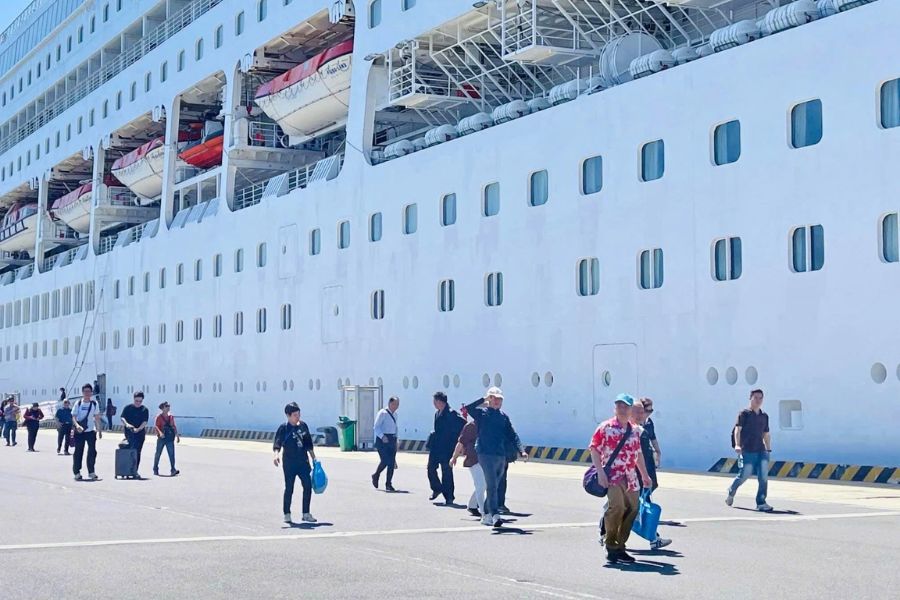
A cruise terminal is not always in the city shown on the itinerary. Pre-booking lets the operator confirm the berth and arrange the right pickup point rather than leaving passengers to negotiate transport after disembarkation. This is particularly important at commercial ports where independent taxis may be limited or port access is controlled.
The Route Can Be Designed Backward from Sailing Time
Good cruise-day planning starts with the deadline to be back on board. The operator can then account for clearance, transfer time, traffic and a reasonable return buffer before deciding how many sights belong in the itinerary.
You Can Request the Right Pace Before Arrival
Senior travelers, families and guests with mobility concerns often benefit most from advance planning. Walking level, rest stops, vehicle access, heat exposure and meal timing can all be discussed before the day instead of being improvised at the pier.
Vietnam Ports Where Advance Planning Matters Most
Phu My for Ho Chi Minh City
Phu My is approximately 80 kilometers from central Ho Chi Minh City, with typical private-vehicle transfers of about 90 minutes to two hours each way. That is a large portion of a port call, and afternoon traffic can make the return slower. Pre-booking allows the operator to select a realistic city route and decide in advance when the group needs to leave for the ship.
Chan May for Hue, Da Nang or Hoi An

Chan May presents a different challenge: there are several excellent destinations in different directions. Travelers who wait until arrival may spend valuable time deciding what is feasible. Booking ahead allows the group to choose the day’s theme-imperial Hue, coastal Da Nang or atmospheric Hoi An-and avoid trying to fit too much into one call.
Cam Ranh for Nha Trang

Current cruise calls in the Nha Trang region are using Cam Ranh Cruise Port while Nha Trang Port is temporarily closed for maintenance. Cam Ranh is around 60 kilometers from Nha Trang City, so advance transport planning matters. Because port operations can change, passengers should confirm their final cruise documents before travel.
Ha Long for the Right Boat and Route
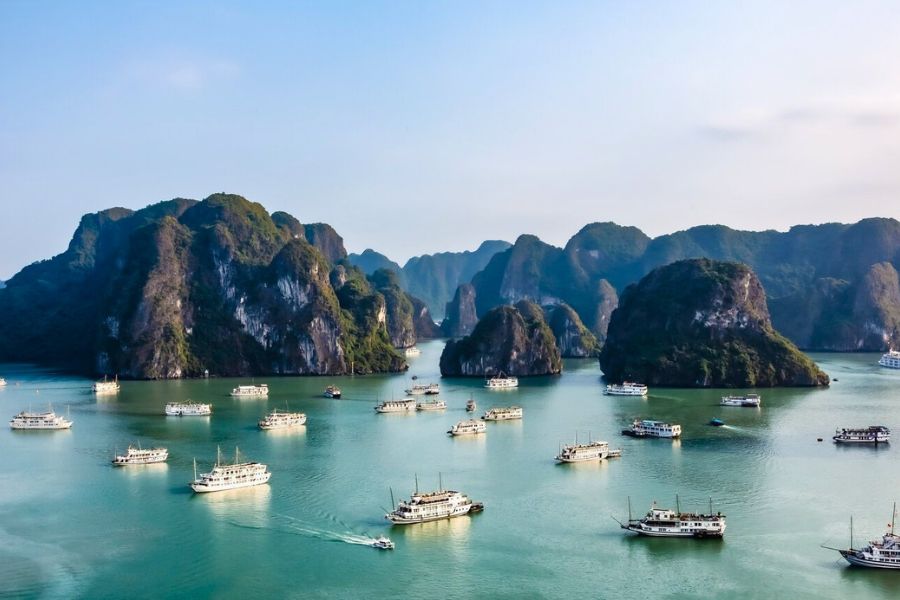
Ha Long is easier geographically, but advance booking can still be useful if travelers want a particular type of boat, a private experience or a route that minimizes steps. The best bay day depends on ship timing, marine conditions and the group’s comfort with cave visits or boarding.
When Independent Travel Can Work Well
Independent travel is not automatically a bad idea. It can work well for experienced travelers who enjoy navigating on their own, understand the port layout and are comfortable keeping a conservative eye on the clock. Ports or destinations with attractions closer to the terminal provide more flexibility than long-transfer calls.
The main risk is not getting lost; it is underestimating how long the return takes. Cruise days have a hard deadline, so independent travelers should treat the all-aboard time as non-negotiable and leave more margin than they would on a hotel-based city break.
Private Operator, Cruise Line Tour or Do It Yourself
Private Local Operator
Best for travelers who want a smaller group, flexible pacing and direct local expertise. The quality depends on the operator, so passengers should check experience, communication, pickup arrangements and return planning before booking.
Cruise Line Excursion
Best for passengers who prioritize simplicity and prefer the ship to handle the excursion booking and meeting instructions. Group sizes are often larger and the itinerary is typically fixed, but many travelers appreciate the convenience and the cruise line’s direct involvement.
Independent Sightseeing
Best for confident travelers when the sights are close enough to the port and there is plenty of time. It offers maximum freedom, but the passenger takes full responsibility for transport, timing and the return to the ship.
How Early Should You Book?
There is no universal booking deadline. A practical approach is to start once the cruise itinerary is reasonably stable, especially if the call falls during a busy travel period or the group wants a private vehicle, a specific language guide or a mobility-friendly setup. Early planning gives more room to refine the route rather than simply accepting whatever remains available.
At the same time, cruise schedules can change. Choose an operator with clear policies and communicate any itinerary updates as soon as the cruise line issues them.
What to Send the Tour Operator Before You Book
- Cruise ship name and cruise line.
- Port date and exact port name shown on your itinerary.
- Scheduled arrival and departure time.
- All-aboard time if the cruise line provides it.
- Number of travelers and approximate age range.
- Mobility needs, walking preferences or wheelchair information.
- Dietary requirements and preferred meal style.
- Your top two or three priorities for the day.
Signs of a Well-Planned Shore Excursion
Before paying, look for evidence that the operator is designing a cruise day rather than simply selling a standard city tour. A good plan should explain the pickup location, realistic transfer time, approximate walking level and when the group intends to begin the return journey. It should also be willing to remove stops when the port window is short.
An itinerary that promises everything can be less reassuring than one that clearly explains what should be left out. On a cruise, restraint is often a sign of experience.
Frequently Asked Questions
Can I wait until I arrive in port to book?
Sometimes, yes. But availability, port access and transport options vary. Waiting is less risky when the attractions are near the terminal and more risky when the day depends on a long transfer or private vehicle.
Is a private shore excursion safe if it is not sold by the cruise line?
It can be, provided the operator is reputable and plans conservatively around the ship schedule. Passengers should review the company’s communication, pickup process, cancellation terms and return-to-port approach before booking.
What happens if the ship changes the port time?
Contact the tour operator as soon as the cruise line issues the change. Experienced shore-excursion teams are accustomed to schedule adjustments, but the revised route will depend on the new amount of time available.
Is pre-booking worth it for senior travelers?
Often, yes. Advance planning makes it easier to arrange a suitable vehicle, reduce walking, select accessible stops and build in rest breaks rather than trying to modify a group excursion after arrival.
Pre-Book the Logistics, Keep the Experience Flexible
The strongest reason to pre-book in Vietnam is not to lock every minute of the day into a rigid schedule. It is to secure the practical foundation-pickup, vehicle, guide, route and return timing-so the experience itself can feel more relaxed. With those details handled, travelers have more freedom to enjoy the market, linger over a coffee or spend extra time at the place that turns out to be the highlight of the day.
0 Comment