
Southeast Asia sits at the heart of the Coral Triangle, the most biodiverse marine region on the planet. For discerning travellers who want more than just a guided group dive – those who want a private liveaboard, a six-star eco-resort on a protected island, or a sunrise dive with no one else in the water – the best diving destinations in Southeast Asia deliver something the Caribbean and Mediterranean simply cannot match: raw, untouched underwater wilderness paired with world-class hospitality.
We have been crafting bespoke diving itineraries across the region for nearly two decades. This guide reflects where our most experienced guests choose to go back to, year after year.
1. Con Dao Islands, Vietnam – The Crown Jewel of Southeast Asian Diving
If there is one destination that consistently surprises even veteran divers, it is Con Dao. This protected archipelago of 16 islands off the southern coast of Vietnam sits within a strict marine national park – a no-take zone that has allowed its reefs to recover to a condition rarely seen elsewhere in the region.
Divers here encounter the rare dugong, hawksbill and green turtles nesting from May to October, great barracuda, reef sharks, and schools of pelagic fish in concentrations that feel almost prehistoric. Experienced divers can descend to the wreck of a 65-metre Thai freighter sitting at 40 metres below the surface – one of the most atmospheric wreck dives in Southeast Asia.
The luxury accommodation of choice is Six Senses Con Dao, a sustainable eco-resort with its own private beach and direct access to dive excursions. Staying here anchors the entire experience in unhurried, barefoot elegance.
Best time to dive: October to June
Ideal for: Intermediate to advanced divers, turtle encounters, wreck diving
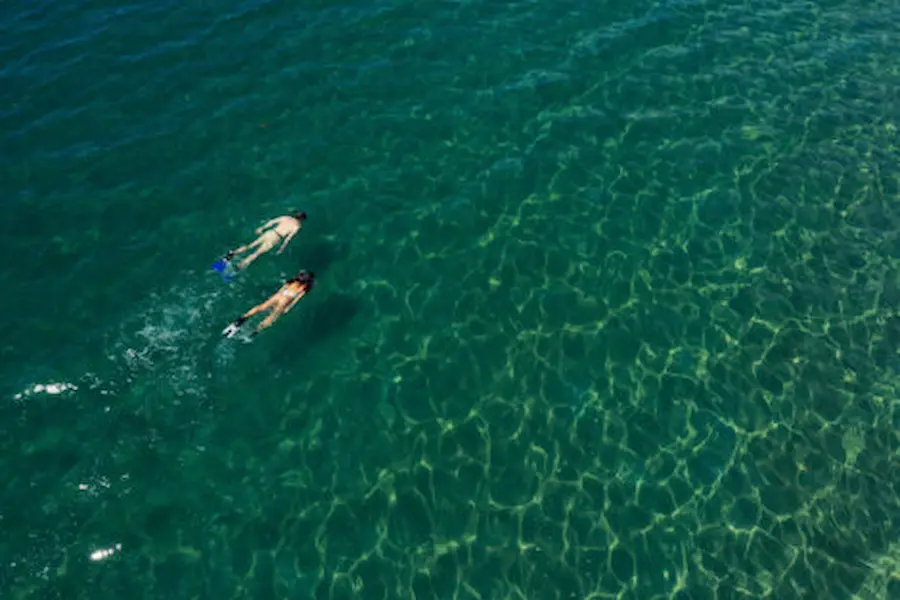
2. Raja Ampat, Indonesia – The World’s Richest Marine Ecosystem
Raja Ampat translates to “Four Kings,” named after its four primary islands – Missool, Waigeo, Bantanta, and Salawati. The remote Indonesian archipelago encompasses over 1,500 emerald-forested islands amid turquoise, coral-rich waters and is classified as the apex of the Coral Triangle, with more than 1,400 recorded species of fish.
The density of marine life here is genuinely difficult to comprehend until you are underwater. Manta rays, whale sharks, pygmy seahorses, and vast schools of fish move through coral structures that look like underwater cathedrals. Visibility regularly exceeds 20 metres.
The finest way to explore Raja Ampat is aboard a private liveaboard vessel – combining flexibility, exclusivity, and the ability to reach dive sites that day-trip boats cannot access. For luxury travellers, this is diving at its most immersive.
Best time to dive: October to April
Ideal for: All levels, wildlife photography, manta ray encounters
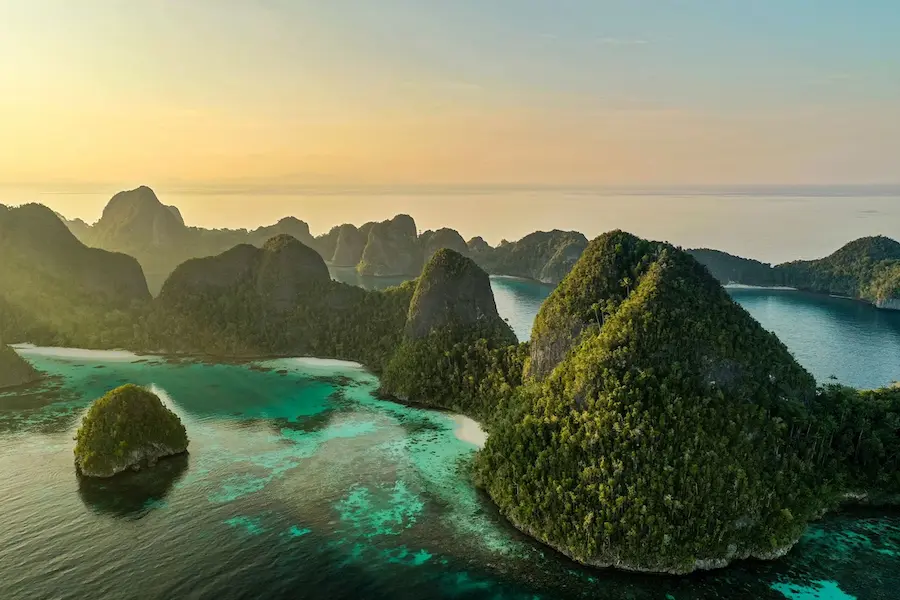
3. Komodo National Park, Indonesia – Dragons Above, Mantas Below
Most visitors come to Komodo for the famous lizards. Divers come for the manta rays. The strong currents that flow through the channels between Komodo’s islands create an upwelling of nutrients that feed one of the densest concentrations of oceanic manta rays in the world – and the diving here reflects that abundance.
Sites like Batu Bolong – a seamount rising from deep water – host schooling fish, reef sharks, and occasional thresher sharks. The current diving here is challenging, making it better suited to intermediate and advanced divers who are comfortable with drift conditions.
Liveaboard itineraries from Bali or Lombok typically combine Komodo with nearby dive sites across Flores, allowing guests to experience both the national park and less-visited reef systems in a single trip.
Best time to dive: April to December (manta season peaks May–October)
Ideal for: Intermediate to advanced divers, manta ray encounters, current diving
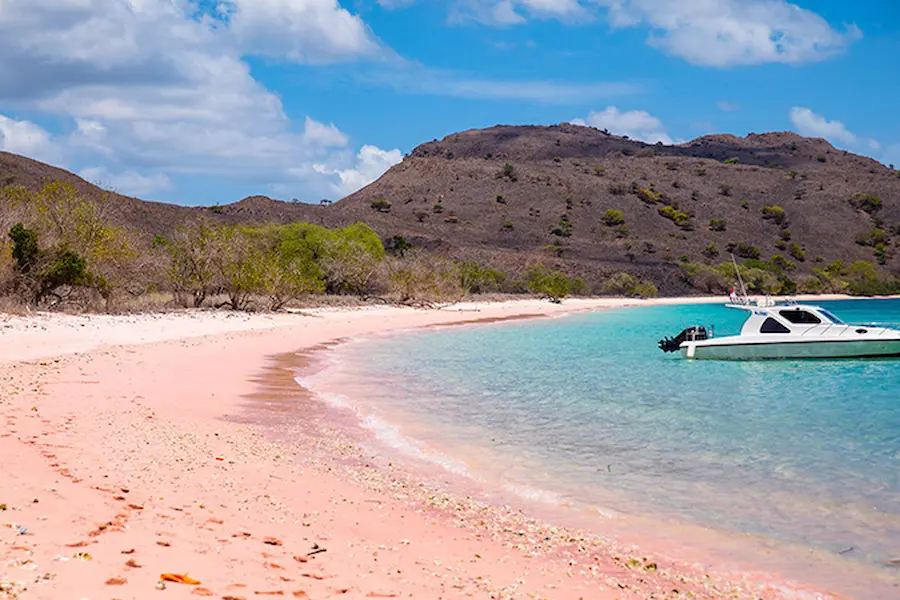
4. Phu Quoc, Vietnam – Accessible Luxury for All Levels
For guests who want exceptional diving paired with the convenience of international-standard resorts, Phu Quoc is the answer. Located in the Gulf of Thailand in southern Vietnam, the island has undergone significant infrastructure development while its surrounding waters – particularly the An Thoi Archipelago to the south – have retained clear visibility and healthy coral ecosystems.
Dive sites around Phu Quoc are genuinely accessible to beginners, making it the ideal choice for guests who want to get PADI certified in a beautiful setting rather than a training pool in a city. The island’s luxury resort corridor, anchored by properties such as JW Marriott Phu Quoc Emerald Bay, provides the kind of five-star comfort that turns a diving trip into a full holiday experience.
Visibility is at its peak between November and May, when the sea is calm and the water temperature sits at a consistent 28–30°C.
Best time to dive: November to May
Ideal for: Beginners, families, couples combining diving with beach relaxation
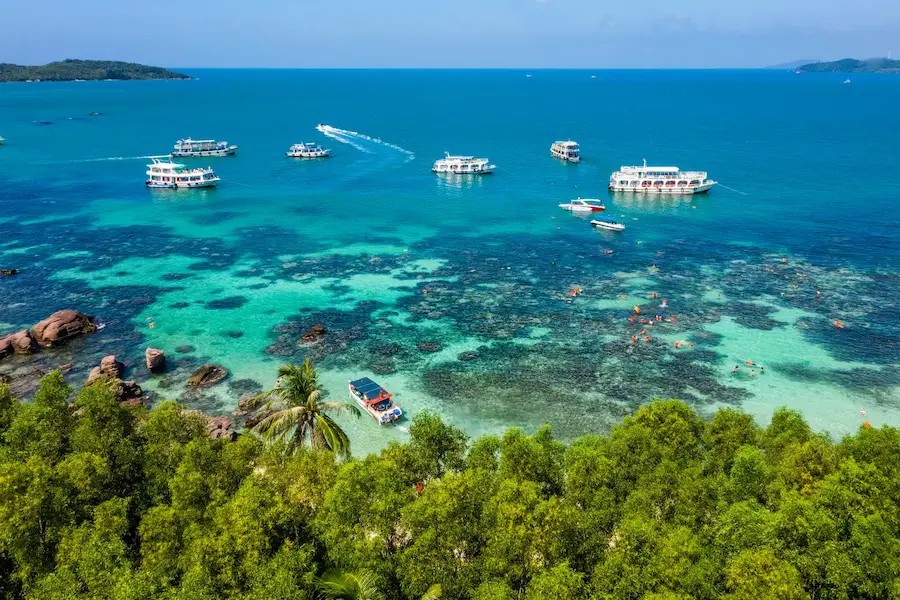
5. Similan Islands, Thailand – World-Class Reefs in the Andaman Sea
The Similan Islands National Park sits approximately 84 kilometres offshore from Khao Lak in the Andaman Sea, and access by liveaboard is the only meaningful way to experience its best dive sites. The reward is worth every effort: underwater rock formations the size of buildings, swim-through arches, leopard sharks resting on sandy seabeds, and encounters with whale sharks between January and March.
The Similans are consistently ranked among the best diving destinations in Southeast Asia by international dive publications, and the marine protection enforced by Thailand’s national park system has kept the reefs in remarkable condition. Liveaboards departing from Khao Lak offer itineraries ranging from three to eight days, typically extending north to Richelieu Rock — considered by many divers to be the finest single dive site in Southeast Asia.
Best time to dive: November to April (the park is closed May–October)
Ideal for: Intermediate to advanced divers, whale shark encounters, liveaboard experience
6. Nha Trang, Vietnam – Vietnam’s Original Dive Hub
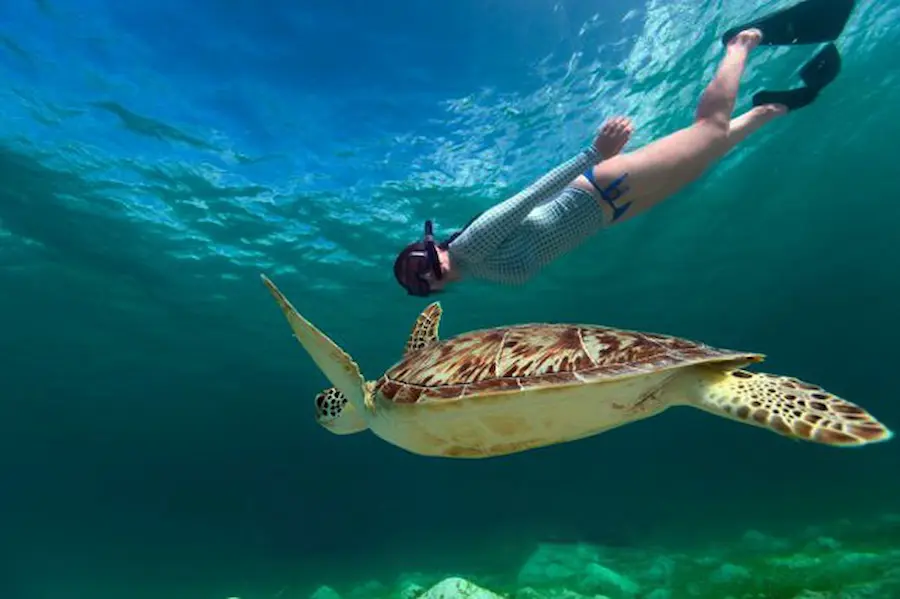
Long before Con Dao or Phu Quoc were on the dive map, Nha Trang was Vietnam’s gateway to underwater exploration. The city sits on a bay consistently cited as one of the world’s most beautiful, and its offshore islands – particularly Hon Mun, which operates as a protected marine reserve – offer reef diving that suits divers of all experience levels.
The dive sites around Hon Mun feature soft coral gardens, moray eels, nudibranchs, and an impressive range of reef fish species in conditions that are often calmer and clearer than more exposed sites to the south. Nha Trang also serves as a practical base for guests combining a dive trip with a broader coastal itinerary – the city has a growing selection of luxury properties and connects easily to Danang and Ho Chi Minh City by domestic flight.
Best time to dive: February to October (peak visibility July–August)
Ideal for: Beginners and intermediate divers, guests combining diving with city exploration
7. Sipadan, Malaysia – Arguably the Greatest Single Dive Site in Southeast Asia
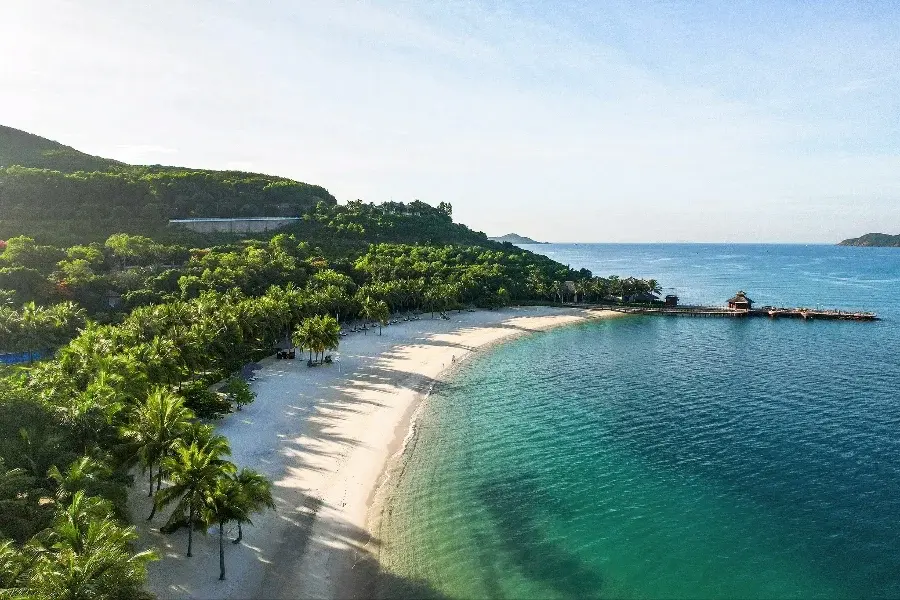
Sipadan is, for many divers, a once-in-a-lifetime destination – and the permit system that limits access to just 120 divers per day is part of what makes it so extraordinary. Located off the northeastern coast of Borneo in Sabah, Sipadan sits atop an extinct underwater volcano and drops vertically from reef to open ocean at over 600 metres.
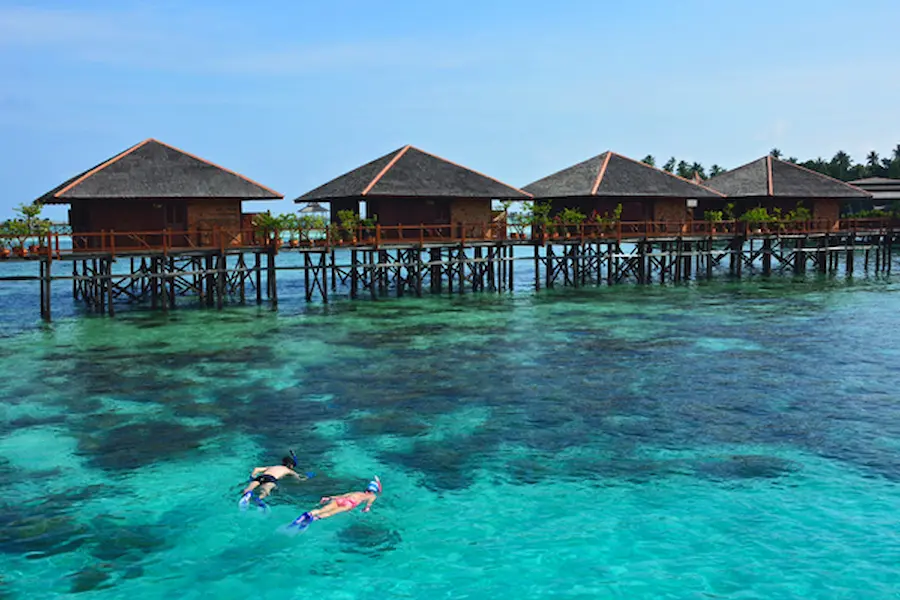
The marine life at Sipadan is simply in a different category: walls of barracuda forming tornadoes, hawksbill and green turtles at every dive, white-tip and grey reef sharks patrolling the drop-off, and macro species that keep underwater photographers occupied for days. The nearby dive resorts on Mabul Island – accessible by boat – provide the base from which most guests dive Sipadan, with permits arranged in advance.
Best time to dive: Year-round, with April to December considered optimal
Ideal for: Advanced divers, wildlife and photography enthusiasts, bucket-list experiences
How to Choose the Right Destination for Your Diving Holiday
Choosing between the best diving destinations in Southeast Asia depends on three factors: your experience level, the marine encounters you are most interested in, and how you want to structure the trip around diving.
For guests new to scuba diving, Phu Quoc and Nha Trang provide the most accessible introduction, with calm conditions and easy logistics. For experienced divers chasing specific encounters – whale sharks, manta rays, dugongs – Con Dao, Raja Ampat, and the Similan Islands each deliver something extraordinary. For those who want the single most remarkable dive site on the planet, Sipadan is the answer.
The most meaningful itineraries, in our experience, combine diving with broader cultural and culinary exploration. A private vietnam luxury tours package can be designed around your specific diving interests, building in the flexibility to adjust based on conditions while ensuring every resort, transfer, and onshore experience meets the same standard as the diving itself.
Practical Notes on Diving in Southeast Asia
Certifications: Most sites in this guide require at minimum a PADI Open Water certification. Raja Ampat, Komodo, and Sipadan are better suited to divers with Advanced Open Water certification due to currents and depth.
Water temperature: Ranges from 27–30°C across the region, making a thin 3mm wetsuit or rash guard sufficient for most dives.
Best overall season: November to April covers the optimal diving window for most destinations on this list, making it the ideal period for a multi-destination liveaboard or island-hopping itinerary.
Travel logistics: Vietnam’s dive destinations – Con Dao, Phu Quoc, and Nha Trang – can be combined into a single coastal itinerary with ease, making them particularly efficient for guests travelling from Europe or North America who want maximum variety in a fixed number of days.
0 Comment